

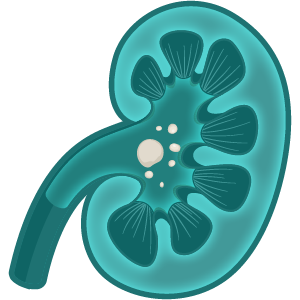


Timely diagnosis with a comprehensive clinical approach
Our medical team is trained to identify the symptoms of kidney stones from early stages, differentiating them from other conditions such as urinary infections or digestive problems.

Specialized
medical care
We have safe and effective medical protocols to control renal colic -one of the most intense pains that exist- and stabilize the patient based on their clinical condition.

Complete evaluation to
guide your treatment
We offer clinical studies, medical guidance and safe referral to external specialists if the case requires it, ensuring that each patient receives the care they need from the first contact.



Highest standards
in medical care
We adhere to strict medical protocols and international quality standards. Every detail of our facility is designed to ensure your safety, comfort, and overall well-being throughout your entire treatment.

Extensive experience
and quality care
Patients can expect personalized, top-quality care backed by years of surgical expertise and commitment to long-term success.

Strategic location with
binational medical access
Our hospital is located in Tijuana, minutes from the U.S. border, allowing us to easily receive patients from both sides and provide care to people seeking international standards in Mexico.

What dissolves kidney stones?
While there are smaller types of kidney stones that may be able to pass naturally with drinking plenty of liquids, there’s really no magic wand to dissolve all stones instantly. Keeping hydrated is the key to passing small stones, and certain medications, such as potassium citrate, can help dissolve uric acid stones. However, larger stones may require kidney stone removal surgery.
What is the recovery time for kidney stone removal surgery?
The recovery time following a kidney stone removal surgery depends on the type of procedure performed. For example, non-invasive treatments such as extracorporeal shock wave lithotripsy (ESWL) usually allow for a faster recovery, often within the same week. In contrast, more invasive surgeries such as percutaneous nephrolithotomy (PCNL) may require one to two weeks of recovery. Regardless of the procedure, all patients are encouraged to stay well-hydrated to prevent further kidney stone symptoms and reduce the risk of them resurfacing.
How big does a stone have to be for surgery?
Usually, stones smaller than 5mm can pass on their own, although they may still cause symptoms such as pain and discomfort. Stones larger than 6mm often require kidney stone surgery removal to prevent complications, blockages, or severe pain. Stones measuring 10mm or more almost always need surgery, as they pose a higher risk of urinary tract obstruction.
How to prevent kidney stones?
Understanding how to prevent kidney stones is essential for individuals who have experienced them before. Some key prevention strategies include:
• Staying hydrated: Drinking 2 to 3 liters of water per day can help dilute the substances that may lead to stone formation.
• Limiting salt and protein intake: Excessive amounts of salt and animal protein are a common cause of kidney stones. Reducing these in your diet can significantly lower the risk.
• Managing foods high in oxalate: Foods such as spinach, nuts, and chocolate contain high levels of oxalates, which can contribute to calcium oxalate stones. Pairing them with calcium-rich foods can help reduce the risk.
• Medications: In some cases, doctors may prescribe medications such as potassium citrate to minimize the chances of stone formation.
Following a kidney stone diet that limits foods contributing to stone development, along with adopting preventive measures, can be very helpful in lowering the chances of them resurfacing and avoiding the discomfort of symptoms.
What are the types of kidney stones?
There are several types of kidney stones, each with different causes and characteristics. Once the type of stone has been identified through diagnosis, it becomes essential to both treat it effectively and take steps to prevent them from resurfacing. Common types of kidney stones include:
• Calcium stones: These are the most common type of stones, they are made from calcium oxalate or calcium phosphate.
• Uric acid stones: These stones are formed when urine is too acidic, often due to a high-protein diet.
• Struvite stones: These are often caused by an infection, and can grow in size very quickly.
• Cystine stones: A very rare type that is caused by a genetic disorder, this can lead to an excess of cystine in the urine.
Understanding the different types of kidney stones can help your doctor create a personalized treatment plan while also allowing you to better recognize their causes and take steps to prevent future occurrences.