

A solution for gallstones
and gallbladder issues
Cholecystectomy is the standard treatment for conditions such as gallstones, inflammation and cholecystitis. At LIMARP we evaluate each case clinically, using minimally invasive techniques to remove the gallbladder when indicated, improving digestion and relieving symptoms.

Safe and effective procedure
with short recovery time
Using advanced laparoscopic technology, gallbladder removal is a safer, less painful procedure with minimal scarring and a faster recovery. Most patients resume their daily activities within a few days without compromising their digestive well-being.

Thorough evaluation to
personalized your treatment
As part of our services, we include clinical studies, medical guidance and safe referral to external specialists if needed, guaranteeing that each patient receives appropriate care from day one.


Certifications
and quality
Safety is a top priority for medical tourism, as all certified facilities adhere to strict quality and safety standards, with many offering the same level of care and advanced technology as those you’d find at home for similar procedures.

Highest standards
in medical care
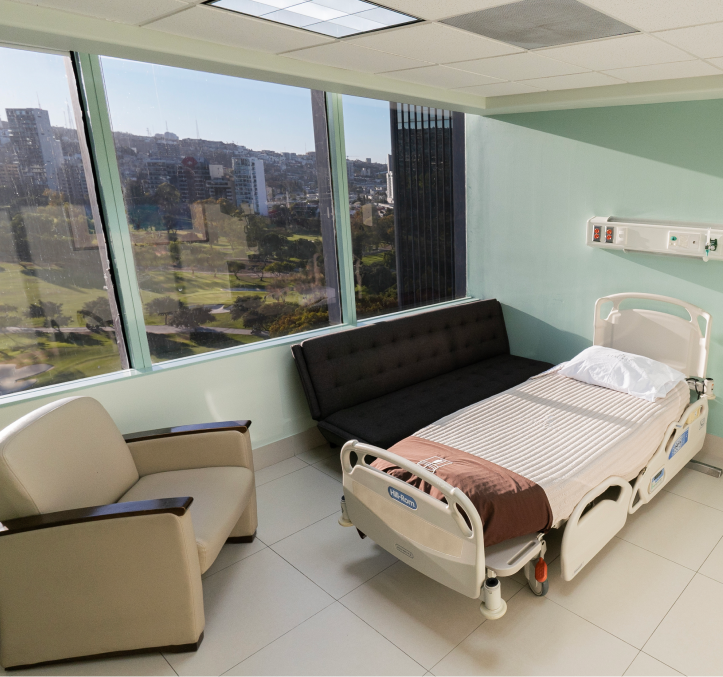
We adhere to strict medical protocols and international quality standards. Every detail of our facility is designed to ensure your safety, comfort, and overall well-being throughout your entire treatment.

Strategic location with
binational medical access
Our hospital is located in Tijuana, minutes from the U.S. border, allowing us to easily receive patients from both sides and provide care to people seeking international standards in Mexico.
What is gallbladder removal surgery?
Gallbladder surgery is a procedure in which the gallbladder is removed. There are two types of surgery:
• Laparoscopic cholecystectomy: This is one of the most common and minimally invasive methods. It involves making several small incisions on the abdomen. A surgical instrument with a camera attached is inserted through these incisions, allowing the surgeon to remove the gallbladder. Some of the outstanding benefits of laparoscopic surgery include a much faster recovery, less postoperative pain, and smaller scars measuring no more than 2cm.
• Open cholecystectomy: In severe cases where laparoscopic surgery is not suitable, an open cholecystectomy may be recommended. This involves a larger abdominal incision to safely remove the gallbladder. Recovery time is longer, but this approach is sometimes necessary depending on the patient’s condition.
At LIMARP in Tijuana, our experienced surgeons specialize in gallbladder surgery, ensuring the best care and optimal results for our patients.
What are the types of gallbladder disease?
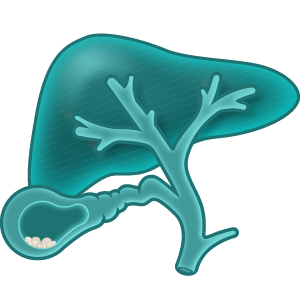
Gallbladder stones, also called gallstones, are some of the most common problems. These gallstones are hard deposits that can form inside the gallbladder when there is an imbalance in the fluids and substances that make up the bile.
Gallstones can vary in size, ranging from a tiny grain of sand to a golf ball. Many patients have gallstones without even knowing it, as this condition does not always produce noticeable symptoms. However, when gallstones block the bile ducts, they can cause severe inflammation and, in some cases, infection.
Other common gallbladder conditions include:
• Cholecystitis: Inflammation of the gallbladder.
• Biliary colic: Severe pain caused by a gallstone blocking the bile duct.
• Gallbladder polyps: Growths on the inner lining of the gallbladder, which may become cancerous over time.
• Gallbladder cancer: A form of cancer that occurs when abnormal cells in the gallbladder, a small organ under the liver that stores bile, begin to grow uncontrollably and form a tumor.
If you experience similar symptoms, such as sharp pain in the upper right abdomen, nausea, vomiting, or jaundice (yellowing of the eyes and skin), you may have gallstones or another gallbladder-related condition. In such cases, gallbladder surgery may be necessary.
What to expect during recovery after a gallbladder surgery at LIMARP?
Recovering from gallbladder surgery depends largely on the type of procedure performed. After a laparoscopic cholecystectomy, many patients are able to return home the same day or the following day, and a full recovery usually takes about a week.
In cases where open surgery is required, recovery often takes several weeks. This is because, once the gallbladder is removed, the body needs time to adjust to the changes, then it allows the liver to secrete bile directly into the small intestine.
Changing dietary habits and lifestyle is required required during recovery, some individuals do feel digestive discomfort, especially when consuming fatty foods right away after surgery.
What are the symptoms of gallbladder issues?
Some symptoms of gallbladder issues may vary, as they depend entirely on the specific condition. However, some common symptoms are:
• Pain in the upper right abdomen, especially after eating fatty foods.
• Nausea or vomiting.
• Fever and chills (this can also indicate an infection).
• Jaundice (yellowing of the skin and eyes).
• Darker urine or lighter-colored stools.
If you experience any of these symptoms, it is essential to seek medical attention, as they may indicate there are gallstones or other gallbladder-related issues. In many cases, surgery is the best and most effective way to treat these symptoms, particularly if gallstones are involved.
Is gallbladder surgery at LIMARP in Tijuana safe?
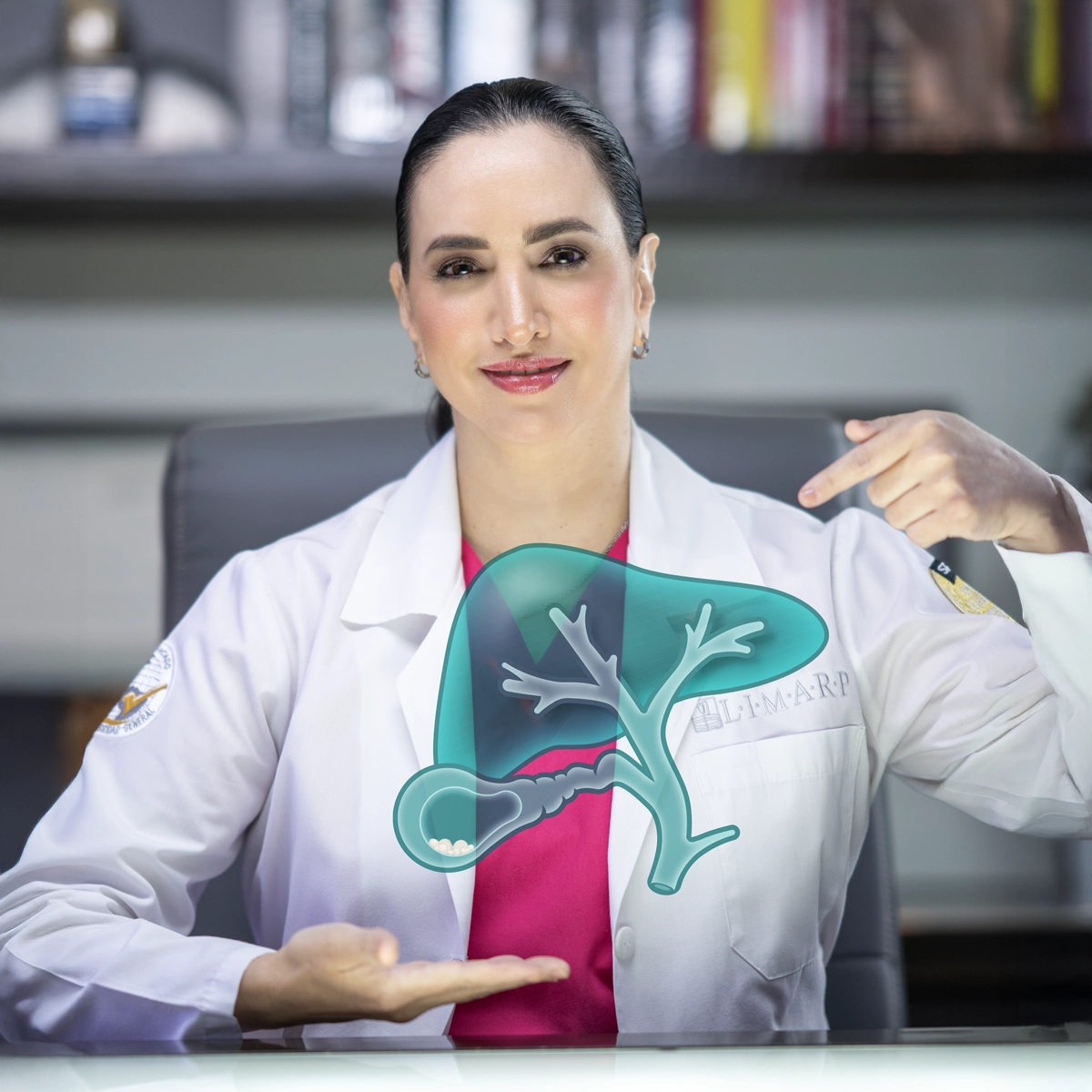
Gallbladder surgery is safe, in fact, it is considered a very safe and effective procedure. Complications are rare, and the risks are further minimized when surgery is performed by those who are skilled in the latest techniques such as Dr. Liza Maria Pompa Gonzalez. The use of state-of-the-art instruments, along with a reputable, accredited facility and comprehensive medical and hospital care, also contribute to patient safety and successful outcomes.