

Reduces obesity-related
health conditions
Mini gastric bypass surgery has shown excellent results in reducing or even resolving, obesity-related comorbidities such as type 2 diabetes, hypertension, and more.

Shorter operating time
Compared to the traditional gastric bypass, the mini bypass surgery involves a shorter surgical time, and also fewer possible complications.

Improves
quality of life
After a mini gastric bypass surgery, patients often report improvements in mobility, energy levels, and emotional well-being, empowering them to fully enjoy a more active and fulfilling life.


Highest standards in
medical care
We adhere to strict medical protocols and international quality standards. Every detail of our facility is designed to ensure your safety, comfort, and overall well-being throughout your entire treatment.

Extensive experience
and quality care
Tijuana is home to renowned bariatric surgeons with extensive experience. Patients can expect personalized, top-quality care backed by years of surgical expertise and commitment to long-term success.

Cost-effectiveness
Choosing Tijuana for mini gastric bypass surgery is an affordable option that doesn’t compromise on quality. Medical services in Tijuana meet international standards, ensuring excellent care at a fraction of the cost.


Emotional & Mental
Support
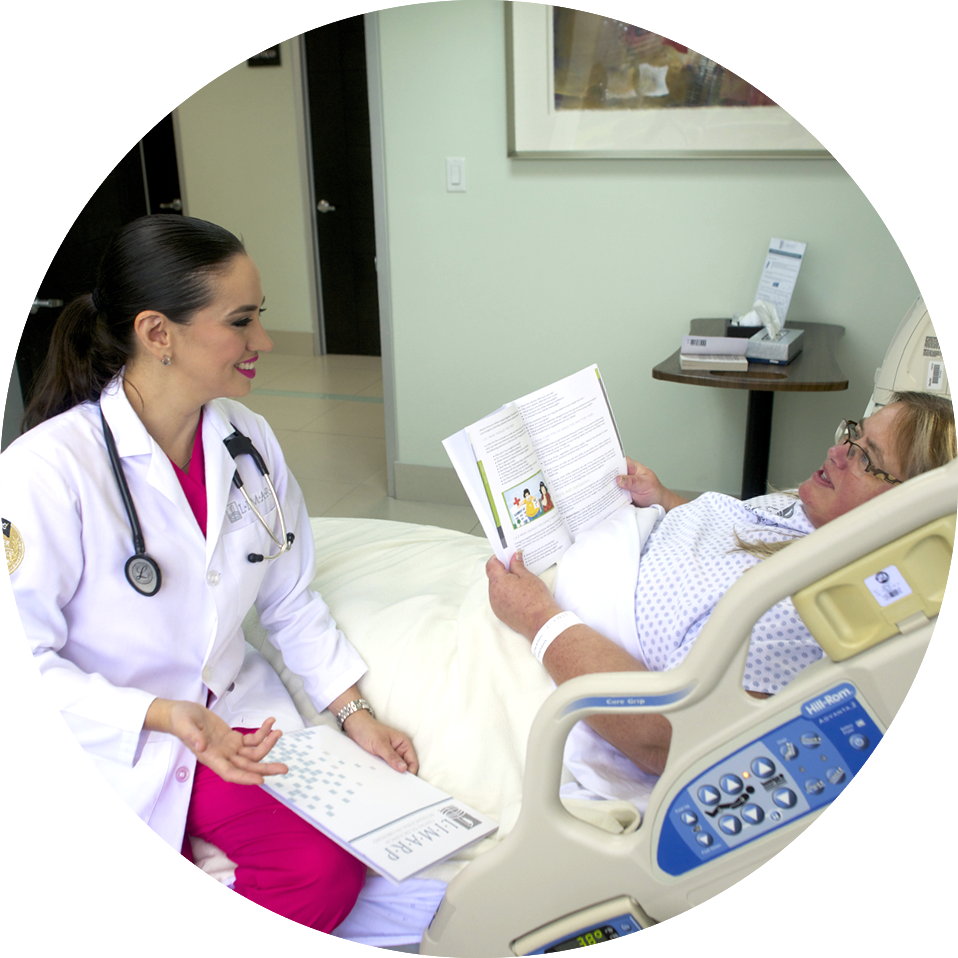
After weight loss surgery, it’s not just your body that changes, your whole lifestyle may shift in unexpected ways. Our expert psychologists provide support and guidance during this transformative journey.

Nutritional
guidance
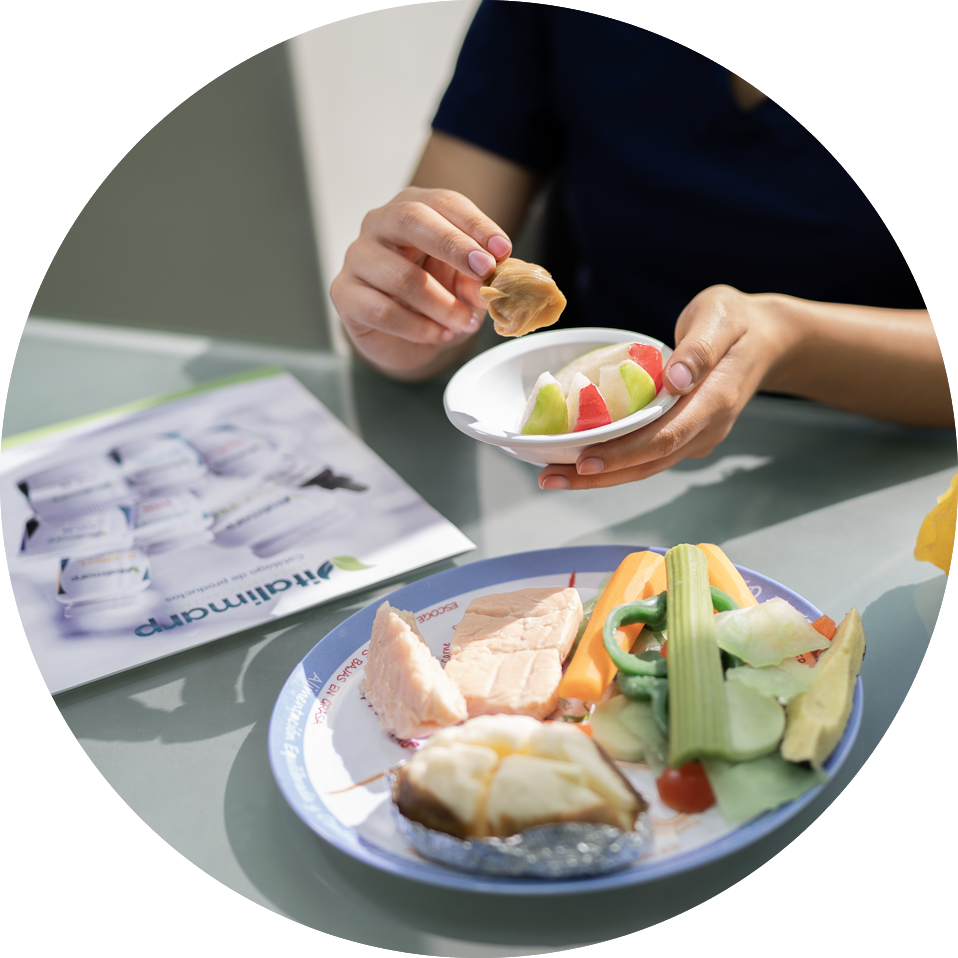
Our nutritionists create personalized weight loss plans with recipes and clear guidelines to meet your individual needs. Each plan is meticulously crafted to help you build healthy habits that actually stick, so you can stay on track for the long run.

Customized
physical training
Staying active plays a big role in hitting your weight loss targets. That’s why our fitness experts create custom workout programs that match your weight loss objectives and progress, and take into account the unique needs and challenges that come with bariatric recovery.

Who is a candidate for the mini gastric bypass?
Patients with a body mass index (BMI) over 40 can be eligible for a mini gastric bypass if they are interested in receiving a less invasive surgery in comparison with the Roux-en-Y. Patients with a BMI over 35 with multiple obesity-associated comorbidities or life threatening illnesses such as type 2 diabetes, hypertension, high cholesterol or sleep apnea may also be eligible for this procedure.
The characteristics of this surgery has made it a more accessible and viable choice in countries across Asia, the Middle East, Africa and Europe. According to the latest IFSO report, most of the mini gastric bypass interventions are done in those continents, and its practice in North America is almost non-existent.
Acceptance for this procedure in the United States has been delayed, because there has been much controversy about the prevalence and effects of possible bile reflux as a long-term outcome of the surgery. However, surgeons have reported an incidence of symptomatic reflux following mini gastric bypass at less than 0.5% [3].
It has been proven that the mini gastric bypass accomplishes the same, if not more outstanding results than the Roux-en-Y. It also leads to less recovery time and less complications.
What should I expect to happen during the procedure?
Treatment begins with initial appointment and evaluation by Dr. Pompa, through this first appointment, she along with our medical team will assess if a mini gastric bypass is the right choice for you. You will meet with our bariatric nutritionist who will give you a special pre-op diet that will allow your stomach to be ready for surgery.
Our psychologist will provide an appointment to make sure you are prepared and fully aware of the changes that will follow in your journey to a new healthier life. You will also be given very specific pre-surgical instructions that will help you prepare for the big day. Our expert team will always be available to assist you with any questions and concerns during your process.
The mini gastric bypass surgery is performed through advanced laparoscopic techniques, using the latest technology to ensure a safe and effective treatment. During the procedure, Dr. Pompa will make four to five small incisions in your abdomen and insert a tiny camera to guide her in rerouting your digestive tract with laparoscopic tools.
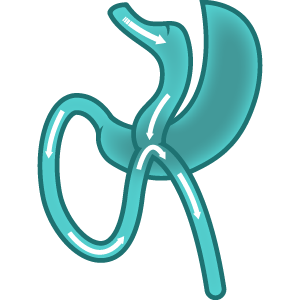
The small size of the incisions facilitates a faster recovery. This procedure involves dividing your stomach into two sections: a small, narrow upper tube that is then connected to the lower part of the small intestine (jejunum), about six feet from the starting point. By reducing the size of the stomach and bypassing the upper portion of the small intestines (duodenum), we restrict the amount of food patients can eat and reduce the absorption of calories, sugar and fats; helping them feel fuller and lose weight faster.
While the mini gastric bypass can help you achieve your weight loss goals quickly, maintaining healthy lifestyle habits through diet and routine exercise can help you experience long-term benefits.
What is recovery like after mini gastric bypass surgery?
Once the procedure is completed, you will be taken to a comfortable recovery room where our team will carefully monitor you to ensure you are responding well to surgery. To help prevent blood clots and other complications, our doctor will ask you to stand and walk within a few hours after your procedure and you will be wearing compression socks.
Most patients are cleared to go home after two days. It is common to experience some soreness, swelling, and fatigue after the procedure, but following your post-op instructions and taking prescribed pain medications can help manage any discomfort.
For the first few weeks after surgery, you will be required to follow a strict liquid-only diet that will evolve in phases: from clear liquids to complete liquids, protein shakes, water, soup, and pureed foods. Depending on your ability to heal, you can typically return to solid foods about six weeks after surgery. However, Dr. Pompa will recommend that you work with a LIMARP nutritionist to ensure that you are consuming a healthy balance of protein, fruits and vegetables. Your stomach and digestive tract will now be unable to handle unhealthy foods so you must concentrate on consuming nutritionally dense foods to achieve long lasting results.
You can expect to return to work and normal activities two weeks after surgery, being careful not to lift anything over 10 pounds until cleared by the doctor. As your body adjusts, you may experience fatigue, nausea, and diarrhea. Over time, these side effects will subside and you will notice increased energy as you lose weight.
Are there any risks involved with mini gastric bypass surgery?
Although there are fewer risks with mini gastric bypass surgery compared to traditional Roux-en-Y surgery, there is always a chance for complications when surgery and anesthesia are involved. These risks include:
• Infection and leakage where the stomach has been dissected and stapled.
• “Dumping Syndrome” (when foods high in sugar travel too quickly from the stomach to the intestines, causing excessive insulin production that causes a sudden drop in glucose levels).
• Stomach ulcers.
• Hernias in the incision sites.
• Nutrient, vitamin, and mineral deficiencies if the patient does not supplement correctly.
• Bile reflux gastritis due to not diverting the bile and digestive enzymes.
• Pulmonary embolisms.
However, having your procedure performed by Dr. Pompa and the skilled team at our state-of-the-art surgical facility can significantly reduce your risk of complications.
What are the benefits of the mini gastric bypass surgery?
Since opening our doors in 2002, we have performed thousands of weight loss procedures. During your surgery, Dr. Pompa will use advanced technology to ensure safety and success. Choosing to undergo the mini gastric bypass surgery to achieve your weight loss goals provides many benefits, including:
• A shorter surgical procedure and faster recovery.
• Reduced risk of complications.
• A cost-effective procedure.
• Drastic weight loss.
• Improved overall health and a better quality of life.
• Reduced effects of severe health concerns associated with obesity, such as diabetes, high blood pressure, infertility, sleep apnea and joint pain.
• Improved self-confidence.
• The ability to engage in a greater variety of physical activities.
While the mini gastric bypass can help you achieve your weight loss goals quickly, maintaining healthy lifestyle habits through diet and routine exercise can help you experience long-term benefits.
What is mini gastric bypass surgery?
Mini bypass surgery, also known as single-anastomotic gastric bypass, is a smaller and simplified version of the Roux-en-Y procedure. The surgery consists of two steps: first, the creation of a gastric pouch by dissecting the lesser curvature of the stomach, usually done with a long, thin surgical stapler. This first step restricts the size of the stomach, allowing the patient to feel satisfied eating smaller portions of food. Second, the creation of a shortcut for the small intestine by junction between the duodenum and jejunum. This second step achieves significant malabsorption in the intestines, as they become able to absorb fewer calories during each meal.
Mini bypass surgery was first proposed in 1997 by Dr. R. Rutledge, but since 2001, different surgeons have proposed subtle variations on their technique, resulting in multiple different versions of the same surgery. Therefore, when searching for information and data on this surgery, you may find it under different names, such as:
• Mini gastric bypass (MBG)
• One anastomotic gastric bypass (OAGB)
• Omega loop gastric bypass (OLGB)
• Single anastomotic gastric bypass (SAGB)
A general standard for this surgery has not yet been developed, and currently its anastomotic techniques vary from hospital to hospital and surgeon to surgeon, as does the length of the jejunal bypass and the size given to the curvature of the stomach or gastric pouch. These factors are generally decided based on the patient’s weight, age, and weight loss goals, and the surgeon’s technical expertise. Mini gastric bypass surgery has been shown to produce significant effects on comorbidities associated with obesity.