

Minimally
invasive
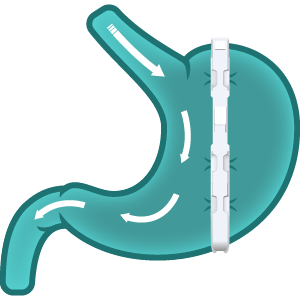
The Bariclip mimics the effect of a gastric sleeve without cutting or stapling the stomach, reducing the risk of leakage and minimizing the occurrence of postoperative reflux.
Rectifies
the stomach
The Bariclip also rectifies the stomach by preventing acid from coming up, which makes it an effective option to treat conditions such as gastroesophageal reflux.
Effective weight
loss method
Weight loss results are similar to those afforded by the gastric sleeve, with a loss of excess weight of 60% or more, but without a gastrectomy.

Certifications
and quality
Safety is a top priority for medical tourism, as all certified facilities have high quality and safety standards, with many having the same care and state-of-the-art technology to go through the same procedures you’d get from having them back at home.

Multidisciplinary
approach
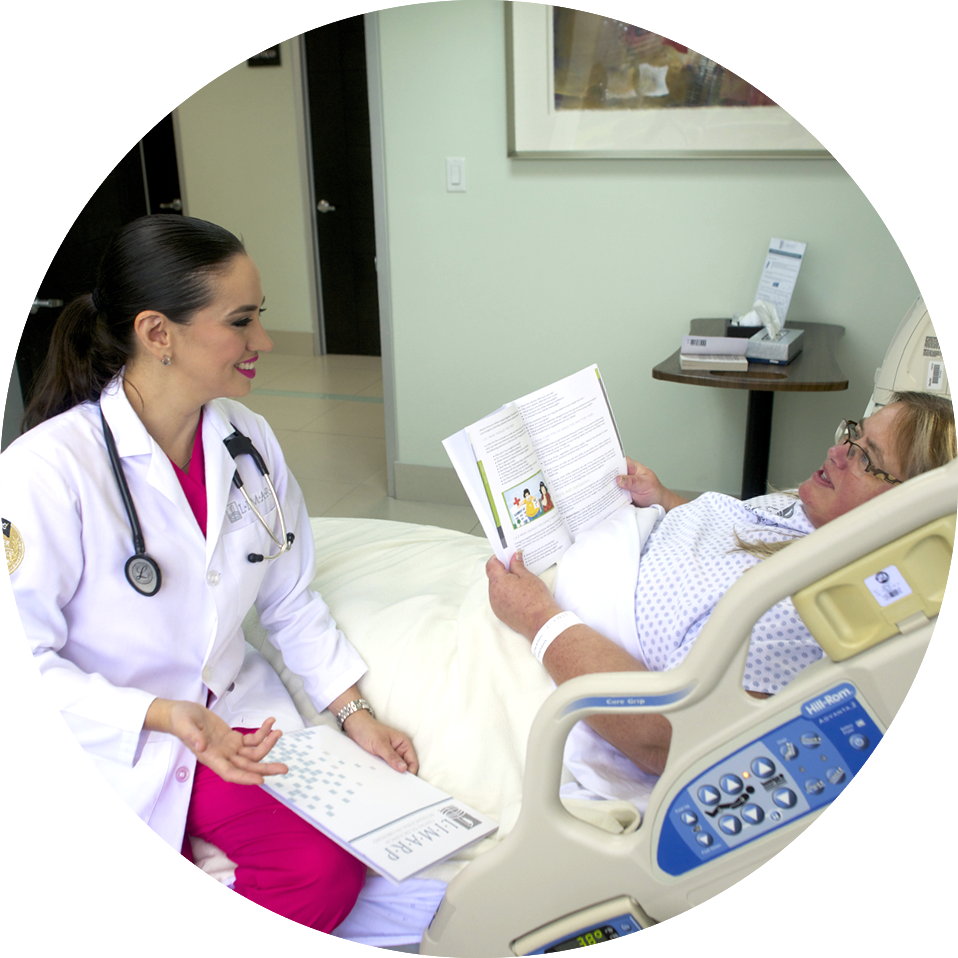
To achieve the best possible benefits before your surgery, you will be working with our nutritionist, and a bariatric psychologist to start with your lifestyle changes.

Unique follow
up program
LIMARP’s integrative bariatric program, can offer long-term results to patients with obesity who want to achieve a healthy weight, a healthier lifestyle, and a greater wellbeing.

We care for your
emotional wellbeing
It’s amazing how bariatric surgery impacts not only your body but also your emotional world, helping you feel more confident and empowered. Our psychologists are here to walk with you every step of the way, as you navigate this life-changing experience.

Receive guidance from
our nutritionists
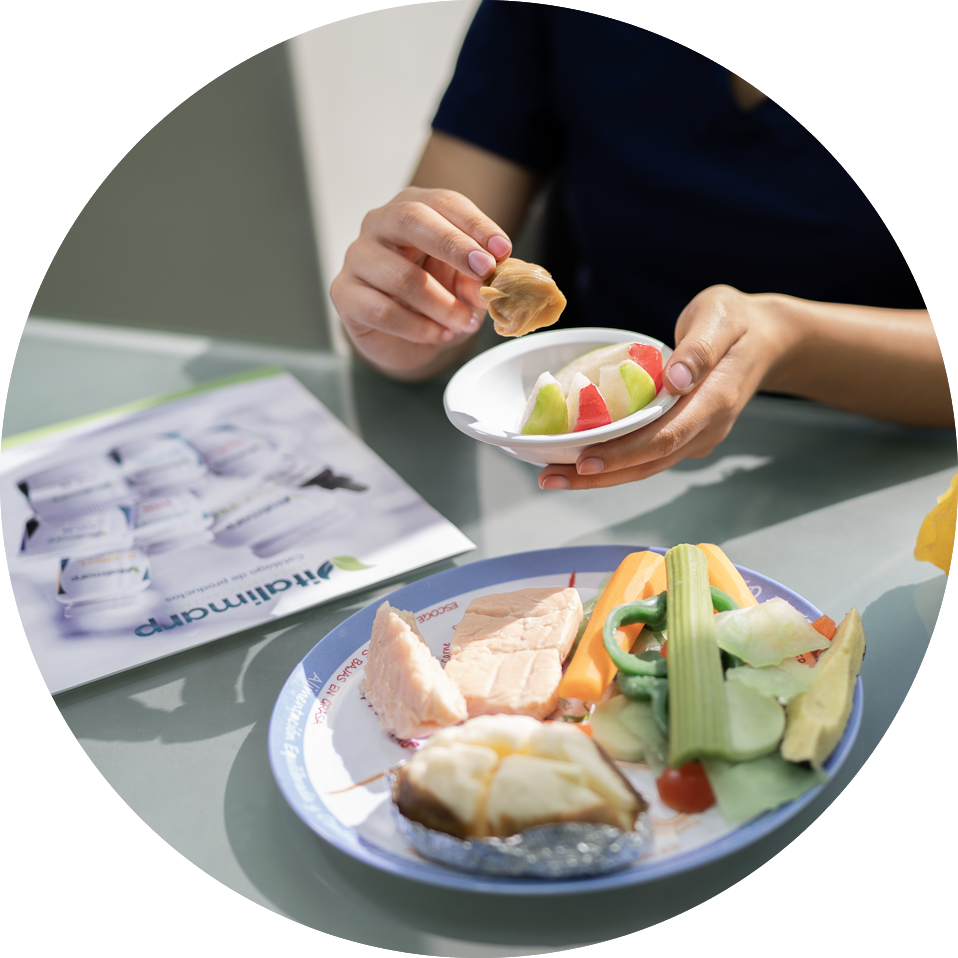
Before and after your surgery, you’ll get personalized nutrition plans from our experts. These plans are meticulously crafted to foster the development of sustainable healthy habits, ensuring long-term success in your weight loss journey.

We design custom
workout programs
To achieve the best outcomes after your surgery, regular exercise y a must. Our fitness experts develope programs adapted to your weight loss goals and progress, with careful considerations of the challenges that can arise after bariatric surgery.


What are the benefits of BariClip?
The BariClip offers many advantages. It mimics the effect of the gastric sleeve without the risk of leakage and reduces the occurrence of postoperative reflux by lowering intragastric pressure.
By preventing acid from moving up the esophagus, it is also effective in treating conditions such as gastroesophageal reflux. Weight loss results are similar to those of the gastric sleeve, with patients losing 60% or more of their excess weight, without requiring a gastrectomy or facing the risks of leakage or reflux.
Essentially, the BariClip provides these benefits through a safe, minimally invasive, and completely reversible procedure.
As with any bariatric intervention, a certified surgeon must evaluate each patient’s case to determine if it is the right option. The device should always be part of a comprehensive program that includes changes in diet, lifestyle, and physical activity.
The BariClip represents an important achievement of modern medicine in the ongoing fight against obesity, one of today’s most serious health challenges.
Who are candidates for the BariClip?
The BariClip is designed for patients with a BMI starting around 27 who are looking for a less invasive alternative to gastric sleeve surgery. It can help control conditions such as prediabetes, hypertension, high cholesterol, and fatty liver disease, among others.
This procedure supports the development of healthy habits and long-term weight management, but success ultimately depends on the patient’s commitment.
As with any medical procedure, patients must go through a thorough evaluation process. At LIMARP, your safety is always our top priority.
Is the bariclip reversible?
The BariClip is a reversible procedure, which is one of its main advantages. The device divides the stomach to simulate the effect of a sleeve, but if the patient wishes, it can be removed. However, removal is not necessary, as it can remain in place indefinitely without risks.
If at any point you decide to have it removed, you can return to LIMARP, where Dr. Pompa will safely remove it in one of our operating rooms.