


Comprehensive and personalized evaluation
At LIMARP, we perform a complete diagnosis to determine the causes of abdominal distension, considering digestive, metabolic and weight factors.

Resolution of
underlying causes
Proper treatment allows for correcting the underlying causes that lead to abdominal distension, helping to improve digestion and overall intestinal function.

Prevention of future complications
Timely treatment of abdominal distension can prevent potentially dangerous long-term complications.


Certifications
and quality
Safety is a top priority for medical tourism, as all certified facilities adhere to strict quality and safety standards, with many offering the same level of care and advanced technology as those you’d find at home for similar procedures.

Highest standards
in medical care
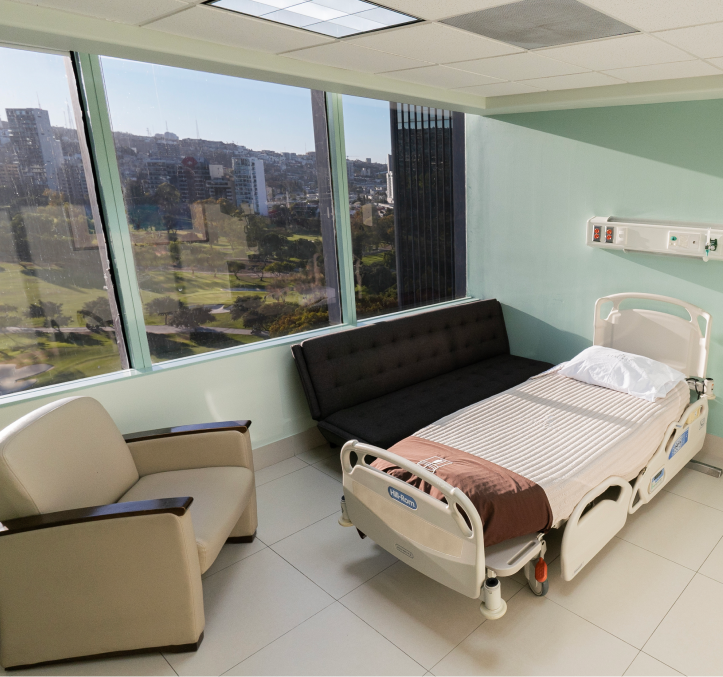
We adhere to strict medical protocols and international quality standards. Every detail of our facility is designed to ensure your safety, comfort, and overall well-being throughout your entire treatment.

Strategic location with
binational medical access
Our hospital is located in Tijuana, minutes from the U.S. border, allowing us to easily receive patients from both sides and provide care to people seeking international standards in Mexico.

What are the causes of abdominal bloating?
There are several reasons why you may experience abdominal bloating or distension. These can range from common lifestyle factors to a larger medical condition. Here are some of the most common causes:
• Digestive disorders: digestive issues like irritable bowel syndrome (IBS), chronic constipation, or being intolerant to certain foods, usually lead to distension and bloating. Now as for women, a bloating period can also worsen symptoms at certain times of the month.
• Excessive gas: Quite a lot of patients report feeling abdominal tension because of the trapped gas in the digestive tract, which usually leads to intense cramps and discomfort. Knowing the bloating meaning in this context can aid in identifying if gas is the cause of cramps or other symptoms.
• Food sensitivities: Typical triggers like lactose, gluten, and certain types of vegetables can cause notable bloating and distension. If you are dealing with abdominal distension, our nutritionist can assist you in identifying all of the specific foods that can cause your symptoms.
• Fluid retention: Hormonal changes, liver, and kidney issues, or conditions that can cause the body to retain fluids, this can result in there being abdominal swelling.
• Surgical recovery: After going through surgical procedures, such as a tummy tuck or liposuction, some patients often describe short-term distension as just a part of the healing process.
What are the bloating treatments available at LIMARP?
For individuals suffering abdominal distension, finding the adequate treatment is crucial for long-term relief. Tijuana is home to some of the best experts in medical care, specialists who have focused their careers in digestive health and abdominal conditions. These are some of the most effective methods and treatment options available:
• Dietary changes: Usually, making changes to your diet is the first step in relieving distension. Specialists can identify foods that trigger bloating and distension, such as dairy or high-fiber foods, and help create a meal plan that alleviates symptoms. This approach also involves finding effective remedies for bloating that can help manage symptoms, especially during flare-ups.
• Probiotics and medications: For individuals with frequent digestive issues, bloated stomach remedies, probiotics, or medicine can provide relief by enhancing gut health and minimizing the build-up of gasses, leading to less distension.
• Endoscopic procedures: In special cases where there is a more serious issue causing distension, it could be a blockage or abnormality in the digestive tract, an endoscopic procedure can be helpful. This is a minimally invasive procedure that can bring a clear and more exact diagnosis of what might be causing the abdominal swelling.
• Surgical interventions: If it is a basic issue, like a hernia, that is causing the distension, then surgery may be needed. LIMARP in Tijuana, is renowned for offering patients an advanced surgical option that can fix the issues while also shortening the recovery time.
For anyone experiencing abdominal bloating, the doctors and surgeons at LIMARP in Tijuana use state-of-the-art equipment, and the latest surgical techniques. This is the best way to ensure you receive a personalized treatment plan that fits your lifestyle.
How to manage abdominal distension?
Besides seeking professional treatment, there are certain steps you can take at home to control and even prevent distension. Here are a few tips:
• Hydration: Keeping hydrated can put a stop to fluid retention and aid in adjusting digestion, decreasing the possibility of feeling bloated and distension.
• Diet monitoring: Paying close attention to what you eat and how your body reacts to specific foods. By doing so, you can avoid those that trigger bloating and abdominal swelling.
• Exercise: Doing regular physical activity can help in passing gas through the digestive system. This prevents gas buildup and reduces distension.
• Stress management: The brain and the gut share a strong connection. Practicing a bit of stress management by meditation, mindfulness, or yoga can minimize stress-related cramps and bloating, and improve digestive functions.